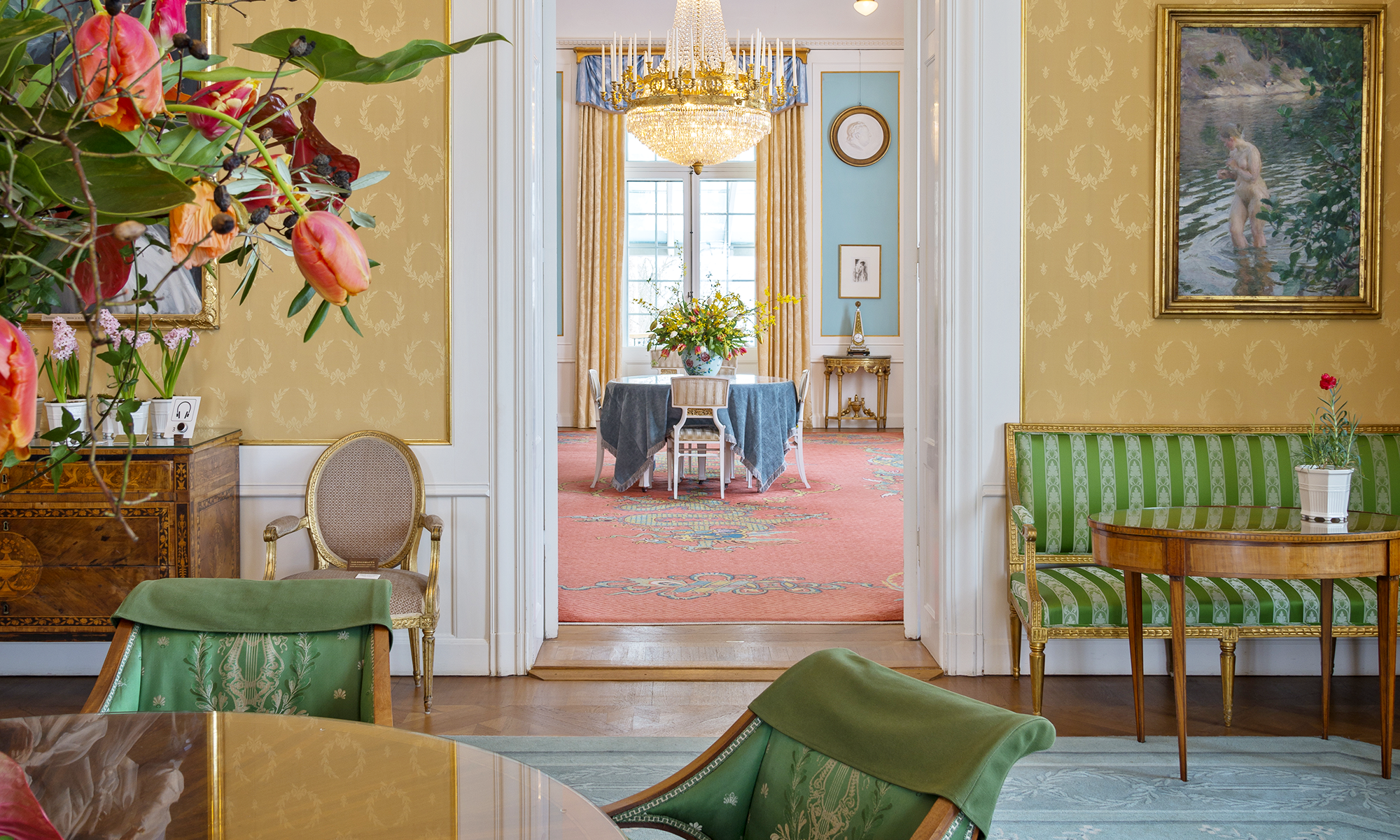
Welcome to a Guided Tour of the Public Apartments at Prins Eugens Waldemarsudde
Join us for an introduction to the life of Prince Eugen. During the tour, you’ll discover his art, explore parts of his remarkable art collection, and learn about the beautiful home he created.
It begins in the public apartments at 1 p.m. and lasts approximately 25–30 minutes.
Welcome to a Guided Tour of the Public Apartments at Prins Eugens Waldemarsudde
Join us for an introduction to the life of Prince Eugen. During the tour, you’ll discover his art, explore parts of his remarkable art collection, and learn about the beautiful home he created.
The tour begins in the public apartments at 1 p.m. and lasts approximately 25–30 minutes.
Welcome to a Guided Tour of the Public Apartments at Prins Eugens Waldemarsudde
Join us for an introduction to the life of Prince Eugen. During the tour, you’ll discover his art, explore parts of his remarkable art collection, and learn about the beautiful home he created.
The tour begins in the public apartments at 1 p.m. and lasts approximately 25–30 minutes.
Welcome to a Guided Tour of the Public Apartments at Prins Eugens Waldemarsudde
Join us for an introduction to the life of Prince Eugen. During the tour, you’ll discover his art, explore parts of his remarkable art collection, and learn about the beautiful home he created.
The tour begins in the public apartments at 1 p.m. and lasts approximately 25–30 minutes.
Welcome to a Guided Tour of the Public Apartments at Prins Eugens Waldemarsudde
Join us for an introduction to the life of Prince Eugen. During the tour, you’ll discover his art, explore parts of his remarkable art collection, and learn about the beautiful home he created.
The tour begins in the public apartments at 1 p.m. and lasts approximately 25–30 minutes.
Join us for the premiere of Sweden’s most polarizing culinary tradition. If you love the smell and taste of fermented herring, this is the place. No alternative dishes are served – only Stockholm’s best setting by the water and a troubadour singing Bellman. Dress for the weather.
Starter: Surströmming on thin bread, almond potatoes, sour cream, chives and red onions Milk to serve Main course: Creamed funnel chanterelles on levain bread, raw lingonberries and crumbled Västerbotten cheese Dessert: Almond cake with raw cloudberries and vanilla ice cream
Welcome to pre-book a table at Bryggan via our website
Welcome to our celebration of Mårten Gås at Stockholm 1897. We serve classic black soup, Scanian goose with accessories and apple cake – a tribute to autumn and tradition.
Enjoy your meal and cheers!
Starter: Black soup with Swedish apples, gizzards and thyme
Main course: Goose with cream sauce, butter-fried Brussels sprouts, apples, prunes and roast potatoes
Dessert: Scanian apple cake with custard
Welcome to celebrate your crayfish party with us at Stockholm 1897.
Welcome to celebrate your crayfish party with us at Stockholm 1897. We serve seasonal Swedish crayfish on the pier under canopies and light the lanterns. Live music, schnapps songs, and sing-alongs.
Included in the price:
5hg home cooked signal crayfish with crown dill/ pp. Västerbotten pie, onion roe, red onion, chives and sour cream Crispbread, sourdough bread, caviar, spiced cheese, aioli and whipped browned butter
Dessert: Blueberry pie on Swedish blueberries with vanilla sauce or Cheese tray on Swedish cheeses with accessories
You are welcome to make reservation via our website
Stockholm 1897 invites you to a popular and festive celebration of the festival of lights, Midsummer’s Eve. Come to us before or after your celebration or stay and enjoy Midsummer all day.
This wonderful menu will also be served on Midsummer Day.
Midsummer menu: Starter: Classic midsummer plate with matjes herring, onion herring, mustard herring, engraved salmon with chef’s sauce, new potatoes, browned butter and boiled egg (a piece of each, a little as a taster) Main course: Grilled sirloin steak with new potatoes, herb butter and grilled lemon alt. Salmon skewers with new potatoes and herb garden sauce Dessert: Vanilla ice cream with fresh strawberries and dreams
Welcome to celebrate National Day in the most Swedish of places.
From 9 am we offer a Swedish breakfast with bread baked with cultural cereals, Swedish cheese and charcuterie. From 11:30 we serve a menu bursting of traditional Swedish flavours.
On the vibrant square in front of the restaurant, you can enjoye fantastic sausages from the barbecue or our fried herring, served on crisp bread with herb mayonnaise, pickled red onions and potato puree, i’ts already a classic.
National Day menu 595:-/p
Amuse bouche
Cold nettle soup with a wedge of egg (served in a smaller cup) Starter
Herring with lumpfish roe, sour cream, red onion, crumbled cress and Västerbotten cheese Main course
Lightly gravelled Arctic char with butter-fried chanterelles, pickled root vegetables and horseradish cream Dessert
Strawberry cake with vanilla cream and whipped cream
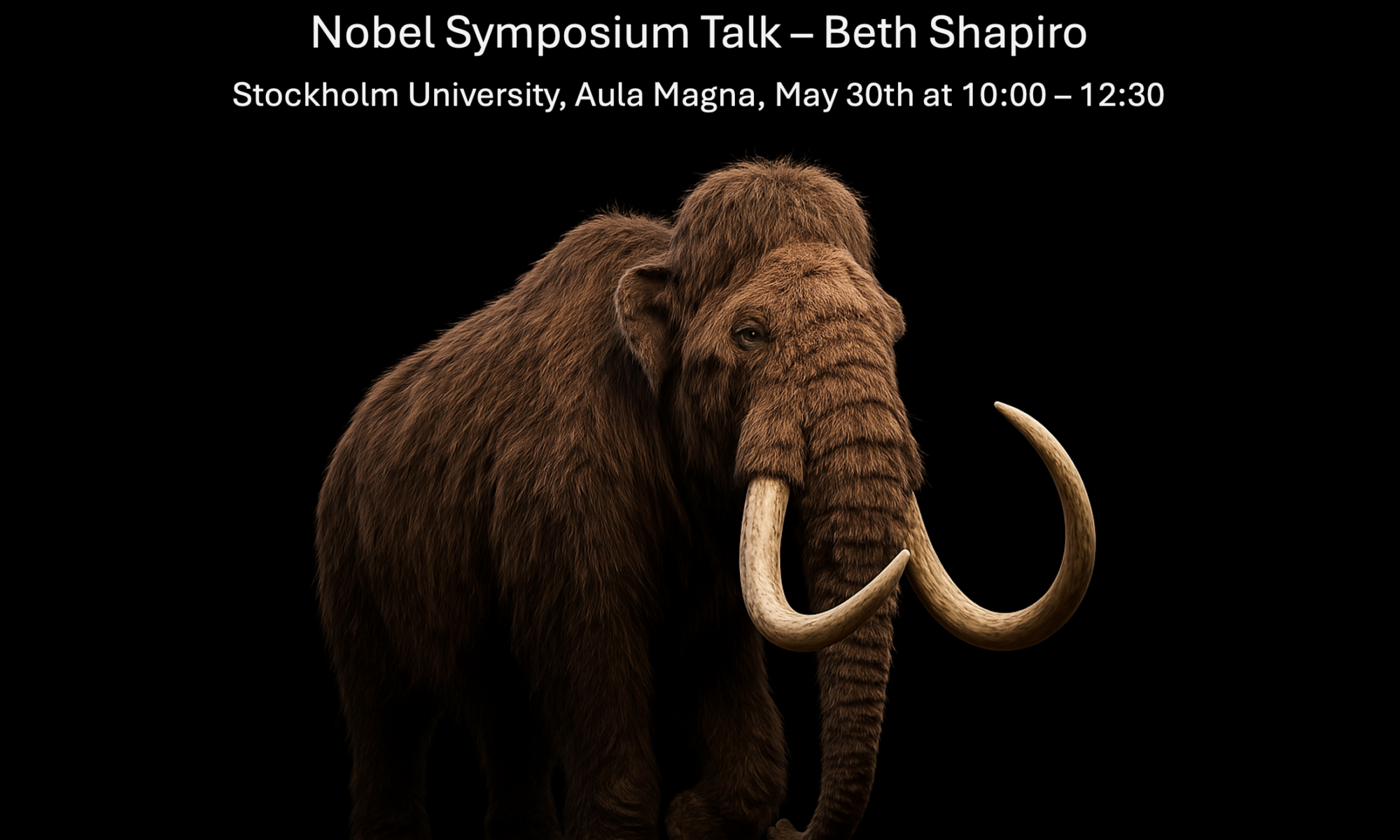
On 30 May, there will be two open lectures in Aula Magna at Stockholm University with two of the world’s leading researchers in prehistoric DNA, as part of a Nobel symposium.
Ludovic Orlando on “The Taming of the Horse” and talks about how prehistoric DNA has changed our understanding of horse domestication.
Beth Shapiro on “Can We Bring Back the Woolly Mammoth?”, where she discusses the science behind and the possibilities of recreating extinct species.
Speakers:
Ludovic Orlando, Director CAGT at the University of Toulouse
Beth Shapiro, Chief Science Officer at Colossal Biosciences
Date and time: 30 May, kl 10:00 am – 12:30 pm
Location: Aula Magna, Stockholm University
Free of charge, no registration.
Language: English
The Bert Bolin Lecture on Climate Research is given annually to commemorate professor Bert Bolin and his pioneering work for climate research at Stockholm University and internationally.
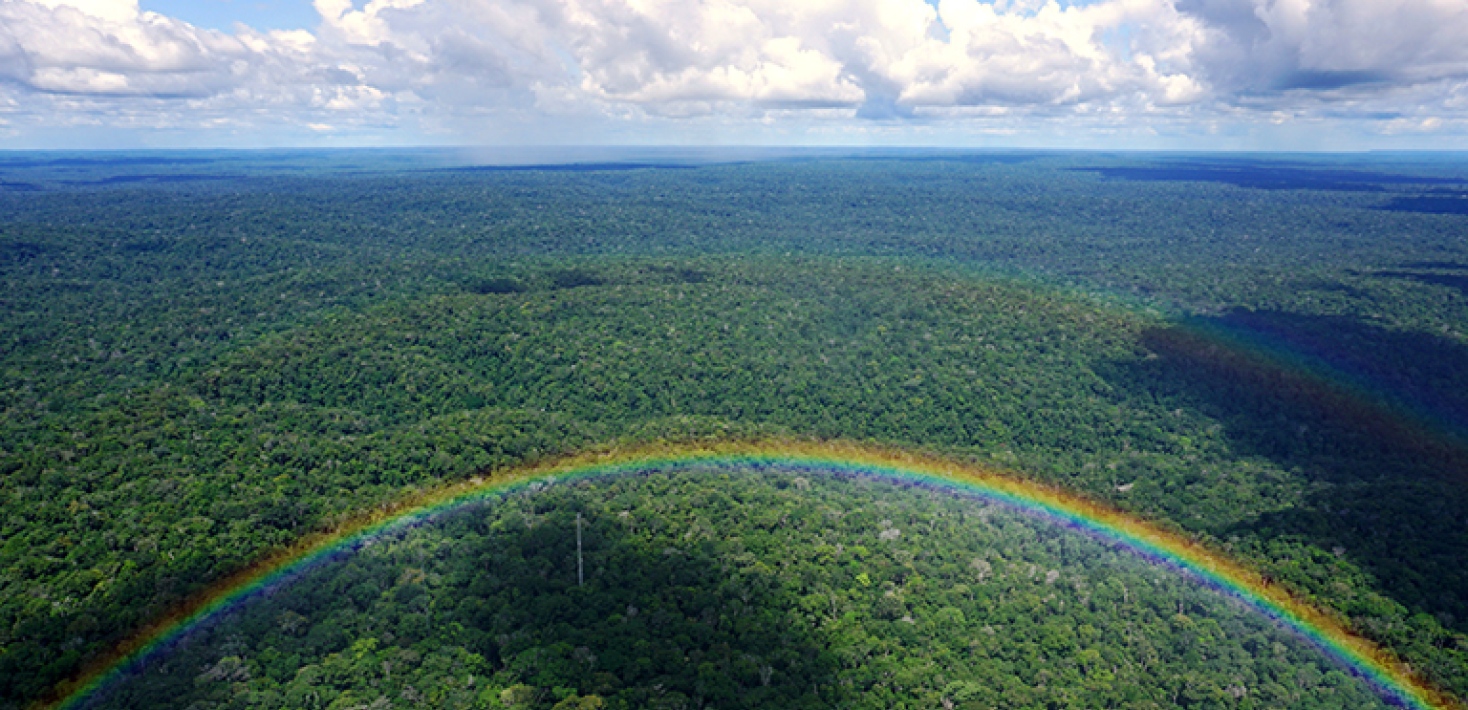
This year’s Bert Bolin Climate Lecturer is Professor Paulo Artaxo from the Center for Amazonian Sustainability, University of São Paulo. Professor Artaxo will join us here in Stockholm on the 7th of May to give a public lecture titled Climate Change and the Amazon Forest: a close relationship.
Date: Wednesday 7 May Time: 14.00 – 15.00 Location: Aula Magna, Stockholm University
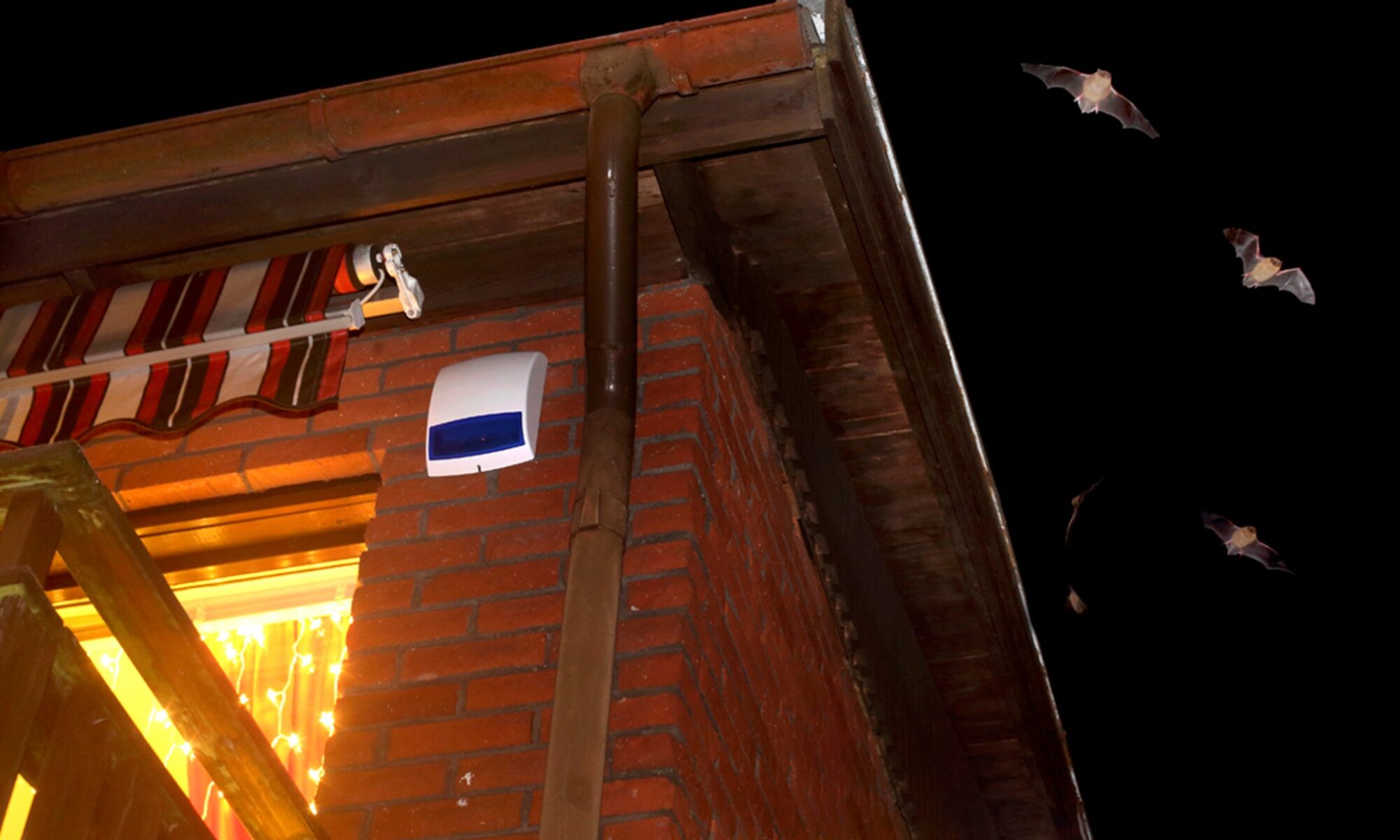
Join Heather Wood and Viktor Eriksson for a guided bat walk around Stockholm University campus. Before the guided walk there will be a talk on bat ecology and the use of detectors for surveying bats. Both Heather and Viktor are landscape ecologists interested in how historic and present land-use affects biodiversity and they will explain some of the important habitats on the campus and how this relates to biodiversity today.
Time: 7th June 20:30 – 22:30
Venue: Meet outside the University tunnelbana
Language: English
Maximum participants: 20
Since the late eighteenth century, science, architecture, and art have interacted with nature in the area that is now Campus Frescati. Parts of this earlier history are still visible, others have disappeared. A new era began in 1960, when the Stockholm University College became a state university, and preparations began to create a campus for this new seat of learning. During the tour, we will look at art, architecture and nature at Frescati, inside and out, focusing on the period from 1960 until the present day.
Merit Laine will guide the tour. She is Associate Professor of Art History and Curator of the Stockholms University Art Collections.
Time: 12 May Time: 17-18
Place: Meeting point at Studenthuset, main entrance, Stockholm University, Frescati
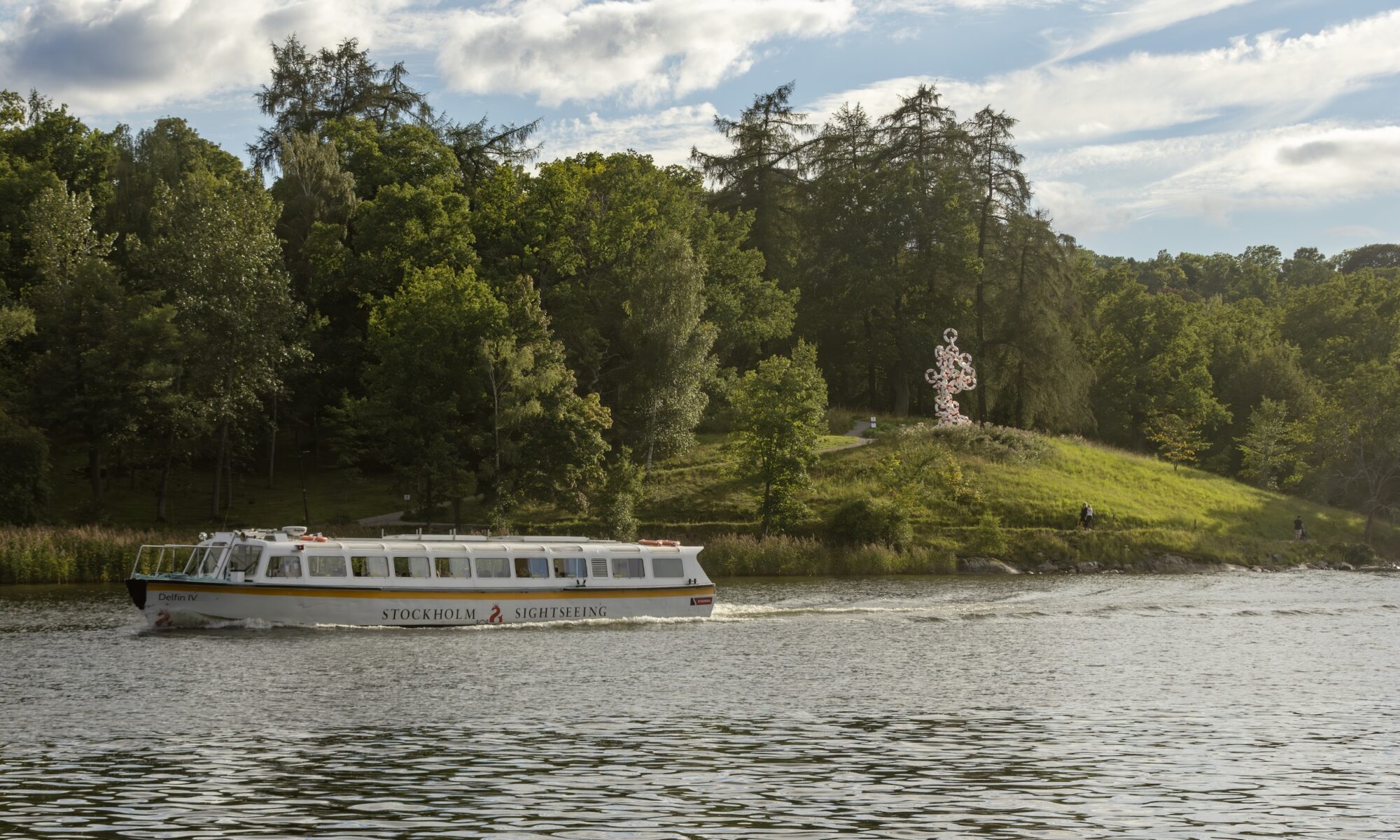
Every day from 3 June – 6 September, Princess Estelle’s Sculpture Park is staffed between 12.00 – 16.00. At 13.00 and 15.00 there will also be a guided tour of the sculpture park, which is completely free to take part in and no pre-registration is required. Dress for the weather, the tour will not be cancelled due to rain!
Artist of the Year 2026: Cristina Iglesias
Cristina Iglesias, born in November 1956, lives and works in Madrid. She studied chemistry before training at Chelsea School of Art in London and is regarded as one of the most influential contemporary sculptors. Over more than four decades, Iglesias has developed an artistic language at the intersection of sculpture, architecture, and nature. Working in materials such as bronze, steel, glass, and water, she creates large-scale works that often relate to the history of a site.
Every year, Princess Estelle’s Sculpture Park in the Rosendal area of Royal Djurgården is enriched with a new site-specific permanent sculpture. Previous artists include Alice Aycock, Elmgreen & Dragset, Yinka Shonibare CBE, Charlotte Gyllenhammar, Giuseppe Penone and Monika Sosnowska. The Artist of the Year 2026 is Cristina Iglesias.
Meet some of the people who died on the warship Vasa when it sank on the 10th of August in 1628.
The exhibtion tells the story of how they perished, but also offers a glimpse of how they lived.
In recent years, researchers at the Vasa Museum have re-examined the skeletons in collaboration with experts in DNA, osteology and isotope analysis. This has resulted in more information about, among other things, what these people looked like, how they were dressed and what they carried with them on their journey, and about where they came from, whether they were related to each other and what diseases they were predisposed to.
The exhibition also tells a story of the human aspects of the disaster. Its aims to display a little something about the happiness and anticipation of the travellers which suddenly turned into chaos and despair.
Meet the couple who died in each other’s arms, the boy with the fancy shoes and the woman in a red cap.
We use cookies on our website to give you the most relevant experience by remembering your preferences and repeat visits. By clicking “Accept”, you consent to the use of ALL the cookies.
This website uses cookies to improve your experience while you navigate through the website. Out of these, the cookies that are categorized as necessary are stored on your browser as they are essential for the working of basic functionalities of the website. We also use third-party cookies that help us analyze and understand how you use this website. These cookies will be stored in your browser only with your consent. You also have the option to opt-out of these cookies. But opting out of some of these cookies may affect your browsing experience.