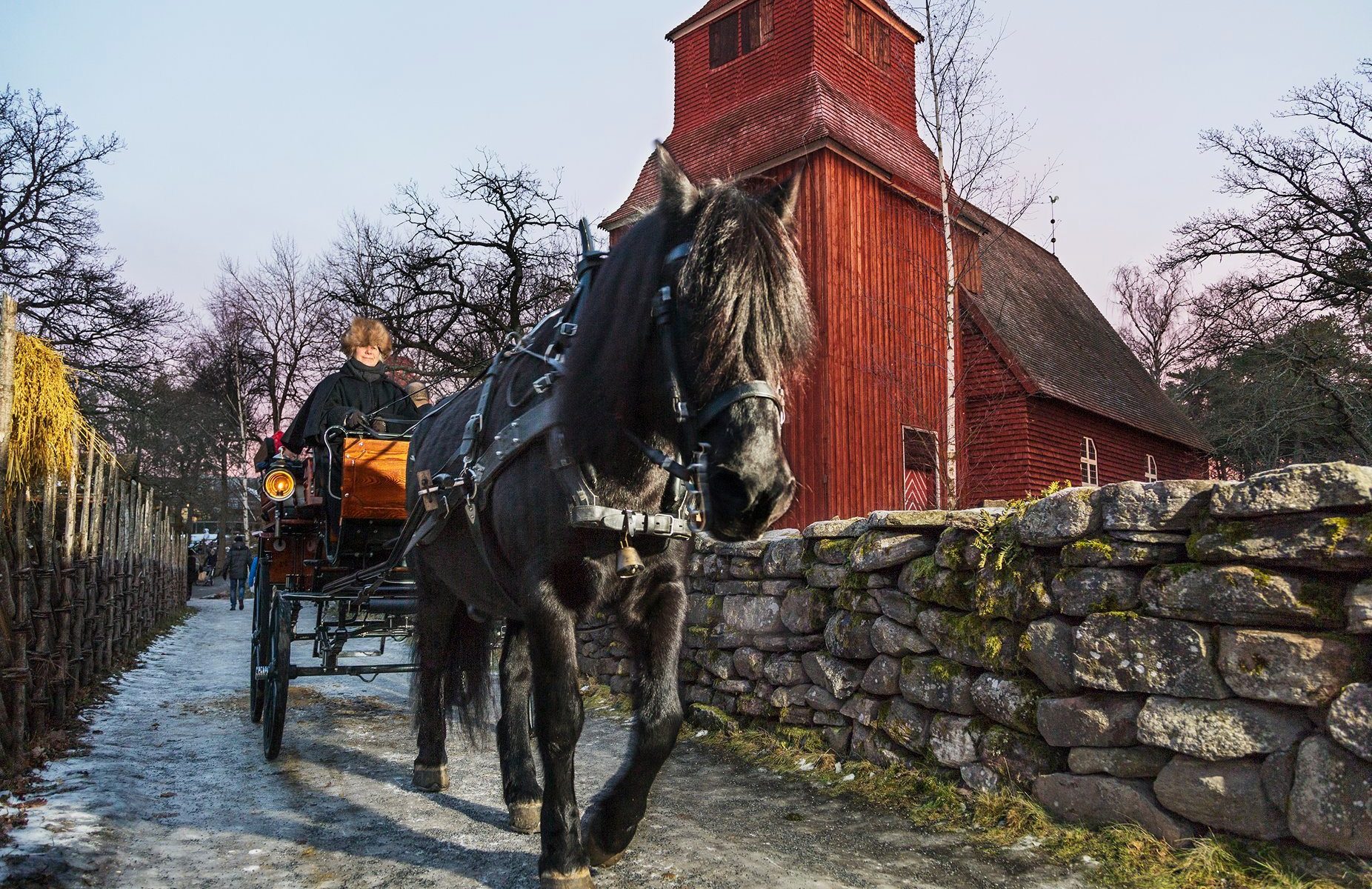
It’s not every day a new museum opens at Djurgården, but now it’s finally time! We’re happy to welcome Vrak – Museum of Wrecks, which will open on the 23 of September. The museum is located at Djurgårdsstrand 17, between the Vasa Museum and Gröna Lund, it lays only a few meters from the water.
Vrak is perfect for the curious ones and the history buffs. The museum tells the story of more than 100,000 wrecks that have been found at the bottom of the Baltic Sea. Through immersive film experiences the visitor can move down to the seabed of the Baltic Sea and, among other things, walk along the mythical wreck, “Resande Man”. With the help of digital solutions such as VR dives, archive dives and games the museum manages to bring history to the surface without affecting and disturbing the seabed of the Baltic Sea.
Vrak is the Vasa Museum’s new sister museum and is part of the Swedish Maritime and Transport History Museums. Functional architect Paul Hedqvist designed the boat hall for Vrak – the Museum of Wrecks. The building has retained its exterior, but has been given a modern makeover on the inside. Through collaboration with Fahlander architects and construction contractor Serneke, they have carefully rebuilt the boat hall with sustainable materials such as concrete, oak, steel, and glass. They have taken inspiration from the sea, ships, and the seabed to renovate the boat hall into a building where man meet sea. The museum is now nominated for the ROT-award and The Betongpriset for the careful rebuilding.
On Wednesday 22 September, Vrak will be inaugurated with a visit from the King. If you cannot wait, there is already material on their website, vrak.se. There you can find wreck stories, films about wrecks in the Baltic Sea and much more.
Many of us have been waiting for the day when Sweden’s most successful and beloved band of all time will be reunited. On Thursday night, September 2, this dream finally came true. ABBA is back with new music – 39 years after the band broke up.
For the first time, fans around the world heard the new singles “I still have faith in you” and “Don’t shut me down”. The songs are a part of the upcoming studio album which will be released in November this year. Benny Andersson and Björn Ulvaeus also revealed during the press conference in London that the upcoming studio album is a part of the big concert project “ABBA Voyage”.
“ABBA Voyage” is a project that the ABBA members worked on for many years and which initially involved recreating the four members as digital 3D avatars, in order to be able to set up a live concert where everything but ABBA was live. The project progressed, and suddenly the group had an idea that it would be fun to create some new music for the concert.
In the museum’s new installation, there are interviews with Björn Ulvaeus and Benny Andersson. Ludvig Andersson and Svana Gisla participate as producers of the project, and last but not least, creative director Ben Morris talks about the huge technical production of the show. Needless to say, the video with the new music is also shown.
The museum’s own contribution to the installation is a loving tribute to the fans who, in the mid-1980s, started a campaign involving letters that were sent to ABBA’s record label Polar. In the letters, fans wrote of their great desire to get one last album, or at least some new songs, “-we’ve been waiting for six years”…!
– It´s tremendously exciting for us to finally be able to tell our new and old visitors about the ABBA Voyage project. This is a cool journey, where Stockholm and ABBA The Museum act as “the road to London”, to the concert in the newly built arena. The album of letters, created by the fans who longed for new music in the 1980s, is now on display in the museum. A warm and loving tribute to all of ABBA’s loyal fans,” says Ingmarie Halling, Creative Director & Curator at ABBA The Museum.
– What can you say? Suddenly, it happens! Something that a lot of people thought would never happen. Now, in addition to showing and telling you about ABBA’s history, we can also present what is happening in both the present and in the future. Because ABBA’s musical journey just keeps going,” says Caroline Fagerlind, Museum Director at ABBA The Museum.
Experience the entire history and future of ABBA at ABBA The Museum.
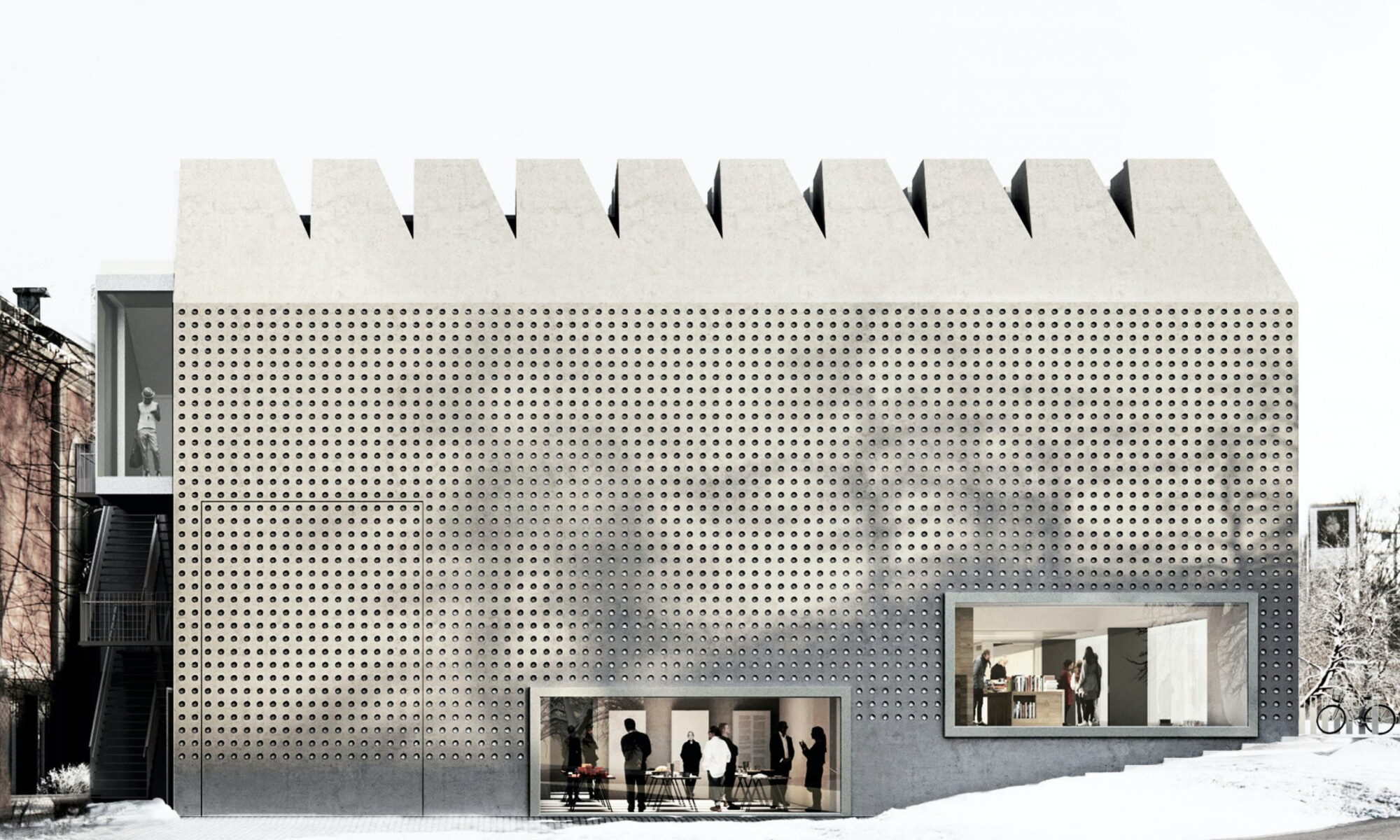
Finally, Liljevalchs + is completed next to Carl Bergsten’s classic pink building from 1916. On August 12 at 11 am there is a public inauguration with fanfare and speeches on the site in front of the extension.
The New Liljevalchs + is “a work of art” and consists of three floors signed architect Gert Wingårdh in collaboration with glass designer Ingegerd Råman. The facility takes up glittering space in its public space with almost 7,000 transparent glass bottoms to facade.
When you enter the facility, a number of halls with spectacular height and rhythm are opened, halls that provide the opportunity to present large and small exhibitions in parallel. 166 rooflanternins create a grid that enables many different room divisions and light input. With absolute climate control and the highest security, Liljevalchs can receive the most expensive and sensitive of art and stay open every day of the week.
Four new exhibitions opens in connection with the inauguration. Gert Wingårdh, Ingegerd Råman and Bea Szenfeld are behind the exhibitions about concrete, glass and paper. In addition, Kajsa Andersö and Tomas Boman have created the film “Your Diary of the Advent of Liljevalchs+” which will be shown until September 12 at Liljevalchs +.
In addition, Stockholmers and the city’s visitors get a new restaurant and a large shop, while they can be pleased that the main building and restaurant Blå Porten has been fundamentally renovated.
On the cordoned-off Falkenbergsgatan, Liljevalch’s manager Mårten Castenfors welcomes the audience and is invited at 11 am on inauguration day. Cultural and urban environment mayor Jonas Naddebo and Housing and Real Estate Mayor Dennis Wedin as well as Stockholm City Property Director Anders Kindberg and architect Gert Wingårdh speak before it’s time for inauguration fanfare.
On the opening day on August 12, Liljevalch’s manager Mårten Castenfors will welcome the audience on the cordoned-off Falkenbergsgatan at 11 am. Cultural and urban environment mayor Jonas Naddebo and Housing and Real Estate Mayor Dennis Wedin as well as Stockholm City Property Director Anders Kindberg and architect Gert Wingårdh will speak before it’s time for the inauguration fanfare.
As the pandemic continues to set limits on how many people can gather outside and how many can be admitted at the same time, it is recommended to pre-purchase tickets for the inauguration. Buy your ticket here!
The safety of our visitors and employees is the highest priority for everyone at Djurgården, and we are following the rules and recommendations from the government and authorities.
Djurgården is big and there is plenty of room for all of us and there are plenty of things to visit – museums, restaurants and amusement park. We are doing everything we can to make your visit to Djurgården enjoyable, even in these times.
With the decreasing virus spred changes are continuously made to the government’s and the Public Health Agency’s guidelines and recommendations. We keep updated on the current levels of restrictions and do all we can to make your visit to Djurgården as safe as possible.
We are continuously updating our homepage; however we recommend checking the individual websites of our attractions for the latest information regarding opening hours etc.
Remember that the pandemic is not yet over
* Let’s help reduce the spread of infection and be safe during our visit!
* If you feel the slightest symptoms, please do not visit us; after two symptom-free days, you are welcome to come and visit Djurgården!
* Keep to the recommended distances. Follow the signs and markings at the place you are visiting.
* We are doing everything we can to reduce the spread of infection, but remember, we keep distance together.
Information from the Swedish authorities on the current situation and regulations: krisinformation.se
Happy news! On June 17, the National Sports Museum and the Police Museum will finally reopen, which means that all museums here at Djurgården are finally open again.
At the Police Museum you will learn more about what the police do and about the role that they play in a democratic society. In the new exhibition The art of forgery you will find paintings falsely credited to artist as Picasso and Jenny Nyström among other famous artists before the police seized them and declared them as forged artwork.
In the exhibition The Trigger – 150 years of police photography, visitors can take a look at a selection of crime scene photos and mug shots from the 19 the century to present time. The visitor can also step into the shoes of a forensic scientist or learn more about hate crimes.
At the National Sports Museum you can see exhibits on Swedish sports from ancient times until today. You can also try different sports activities and challenge yourself or others in fun competitive activities.
A new exhibition will also open at the museum, the exhibition Crash colors is based on a pair of Hawaiian swimming trunks that the artist Jörgen Agardtson received as a gift. The pattern attracted the artist to research on surf culture and boats that have traditionally been used in Pacific cultures. With expressions from a painting of the swimming trunks in bright colors to paintings that whisper about stories in a different emotional state, we are moved out into nature, close to the sea.
In the museum’s yard, there will also be heptathlon for the smaller children. In the heptathlon includes throwing, crawling, jumping and balancing in different stations.
The time is finally here! The Viking Museum is opening again on the 12th of June. This time the museum present new exhibitions for all to see.
In the vivid exhibition you will meet the Vikings through movies, scenery, projections and sound effects as well as archaeological objects. Knowledgeable guides in Viking gear will answer all your questions and the many replicas let you explore life as a Viking with all your senses. You will learn about the Viking raids, journeys and mastery in ship building as well as the everyday life at the farm. The Norse mythology is present everywhere and here myth meets truth.
Do not miss to join the adventure ride Ragnfrids saga where you get to follow along on a trip to the Viking Age. The journey begins at Frösala Farm with Ragnfrid and her husband Harald. Then you proceed to go on a journey where you witness plundering in the west and slave trade in the east. With sounds, light and atmospheric environments you travel through the 11-minute journey that is told by Ragnfrid herself.
During the month of June the museum will be open on weekends between 10:00 and 16:00 with slot-times. It is recommended to buy tickets in advance at the museums website to guarante entrance, it is possible to buy your tickets in the entrance but then there is a chance that the slot-time is full.
Between the 1st of July and the 31st of August the museum will be open everyday between 10:00 and 16:00 with slot-times
The exhibition, the ride Ragnfrids saga, the museum shop and Restaurant Glöd is open as usual but with restrictions to secure the visitors and the staff’s well-being. Find out more about the Viking Museum and book your tickets here.
The tradition of celebrating a National Day in Sweden was born at Skansen. Artur Hazelius, the founder of Skansen, wanted to establish an annual day that would be a patriotic focus for the nation and he chose the sixth of June. This was the day on which, in 1523, Gustav Vasa had been proclaimed king and it was also the day on which the current constitution had been agreed in 1809. Sweden’s National Day has been celebrated at Skansen every year since 1893.
For many years the celebration was known as National Flag Day but the day has now been marked by a public holiday. Usually this is celebrated traditionally together with members of the royal family at Skansen with speeches, flag ceremony, singing, brass bands, folk music, etc.
But this year’s national day celebrations at Skansen will be on a smaller scale than we are used to. Swedish flags will be handed out to all children, the Swedish parliaments exhibition on democracy will be displayed in the upper escalator hall and everyone will have the opportunity to create their own kings and queens.
Find out more information about the national day celebrations at Skansen here.
On Thursday 27 May at 10 AM, ABBA The Museum will open to visitors again – after being closed since November last year !
– After being closed for almost 200 days we are now getting ready to reopen and we are really looking forward to welcoming visitors again. We can´t wait to be able to exceed our visitors’ expectations and let them enjoy the music, the magic and the memories of ABBA, to have them once again Walk In and Dance Out. We will open in a responsible way and have adapted the museum, due to the pandemic. A visit to ABBA The Museum is safe and secure for both our visitors and our staff, says Caroline Fagerlind, Museum Director ABBA The Museum.
ABBA The Museum is an interactive museum where you can virtually try on ABBA’s costumes, sing, play, mix original music and become the fifth member of ABBA by performing on the museums large stage together with Björn, Benny, Frida and Agnetha.
On an iPad, you can choose different instruments from the studio and listen to how they sound on a recording when all the other instruments have been removed. This is just a fraction of all the fun things you will experience at the museum.
A good news is that the museum has prolonged their popular temporary exhibition MAMMA MIA! Behind The Movie Magic, an exhibition that takes the visitors behind the scenes of movie making, until December this year.
ABBA The Museum have a new ticketing system that gives visitors the possibility to cancel their tickets, by themselves, up to 24 hours before their visit, to encourage visitors to stay home if they have any symptoms. To ensure the maximum visitors allowed and keep an even flow in the exhibition they will use slot-times and only allow pre-booked tickets online.
Read more about ABBA The Museum’s opening and pre-book your tickets here.
Here at Royal Djurgården we have been welcoming guests for over 400 years and it is our responsibility to ensure that we can welcome guests for at least another 400 years.
For this reason, Royal Djurgården’s attractions have been working together for the long-term sustainable development for several years now. With over 15 million visitors in a normal year, we have the opportunity to make an impact by coming up with new ways of working and acting as a leading example for sustainable destinations in Sweden. Then as the world stopped in spring 2020, the way of working at Royal Djurgården completely changed.
The coronavirus pandemic has hit the world tourism industry hard. Royal Djurgården lost more than three quarters of their visitors in one go. Once we realised the extent of the impact, we asked ourselves the question: How can we keep our sustainability work going during the pandemic? The answer: we needed a knowledge bank to inspire one another and others.
In April this year, our new website sustainable.royaldjurgarden.se was launched. The website serves as a knowledge bank to inspire one other and others to keep up their sustainability work in these tough times.
“We want to tell you about what we do, why we do it, and what drives us in an accessible way. This was why we asked ABBAs Björn Ulvaeus, who is the owner of ABBA The Museum and more at Royal Djurgården, if he wanted to be Royal Djurgården’s voice in a collaborative sustainability film for the new website. We were very pleased when he said yes and helped us find the right words”, says Camilla Zedendahl, CEO of the Royal Djurgården Society.
“You could say that Royal Djurgården itself is a symbol of sustainability because of our ambition to connect Swedish cultural heritage with modern environmental thinking”.
Since October 30 last year, the National Maritime Museum has only offered digital visits. But from May 18, the museum will reopen and welcomes visitors again. A new exhibition, The Collectors, has taken place inside the museum while it has been closed. The Collectors is about people who have passionately collected and systematised objects, pictures and facts about ships, boats, and shipping. In order to make your visit as safe and secure as possible the museum has taken several precautions. The number of visitors allowed into the museum will be restricted. The café will also be opend but with limited seats. Find out more about the National Maritime Museum’s opening here.
The Vasa Museum is also getting ready to reopen after being closed for 200 days. The museum opens its doors to visitors on Wednesday May 19 with security – and joy – in focus.
250 visitors will be allowed inside the museum at the same time. Each visitor will have plenty of space and it will be easy to keep distance from others. At the same time, it is possible to get close to the ship and get a magnificent experience of Vasa. The staff will be back and have answers to all your questions and to help out. They will unfortunately not hold any guided tours to avoid crowding. Audio guides in many different languages are available for free download and can be listened to on your own smart phone or tablet. The museum, the museum shop and the Vasa museum’s restaurant will be open every day of the week. Find out more about the Vasa Museum’s opening here.
On May 27 it is also time for ABBA The Museum to opens its doors to visitors again, after being closed since November last year. From the opening date, the museum will be open Thursdays to Sundays, with the ambition to extend the opening days in July. Find out more here.
Gröna Lund Amusement Park will also finally open on 2 June. Before you visit Gröna Lund this year, you will need to pre-book tickets. When you buy your ticket online, you first choose a visit date and then if you want to arrive in the morning or afternoon. Super easy! And the best thing about that, with fewer guests, they can offer shorter queues and larger areas. Yay! Find out more information here.
The Museum of Ethnography, Junibacken, Nordiska museet, Skansen, The Skansen Aquarium, Prince Eugen’s Waldemarsudde, the Museum of Spirits, Tekniska museet, the Thiel Gallery and Rosendal’s Garden are also open and welcomes you. And don’t worry about going hungry; almost all of Djurgården’s restaurants are open as well.
Gröna Lund has been awarded the ‘Human Growth Award: HR team of the year’! The prize was established and awarded by the Wise Group, and there were 37 nominees in total. And it was a proud and happy HR department from Gröna Lund that went up on stage yesterday to receive the award.
In the bright light of the North Star, where meridians come together and time zones come to an end. Home to four million people, this is where the Arctic begins. For thousands of years, people here have lived with the ice.
Experience an exhibition about life in a changing world
Nordiska museet’s Great Hall has made room for the life and changing conditions of the Arctic region. In The Arctic – While the Ice Is Melting, you will encounter the history and future of the ice, and above all the people who live in the Arctic today; through objects, photos, design, artwork, films and projections.
The exhibition will be on display during 2021.
An immersive experience in the museum’s Great Hall
Exhibits, ceiling projections, interactive stations and Arctic taste sensations in the restaurant combine to create a complete Arctic experience for adults and children alike.
A walk through an iceberg
The central element of the exhibition is a mock-up of a giant iceberg with a deep rift between past and present, created together with the design-duo MUSEEA.
As a visitor, you can walk into the iceberg and through the rift, where you will encounter narratives and objects linking the present to the past, connecting science to mythology, and presenting a multi-faceted, poetic story about the past and future of the ice and the daily lives of people in the Arctic.
Discover contemporary films from the Arctic
The exhibition includes ten documentary films in which you meet people from various places in the Arctic: Qaanaaq in Greenland, Vatnajökull in Iceland, Näätämö (Neidenelva in Norwegian) in Finland, Svalbard in Norway and Abisko, Arjeplog, Laevas and Nautanen in Sweden. The exhibition also covers Arctic locations to the east and west: Clyde River in Canada and Yamal in Russia. Most of the films were produced by Nordiska museet together with documentary filmmaker Camilla Andersen, with support from the Nordic Culture Fund.
Gaze upon an Arctic sky on the ceiling vaults
A complex system of projections opens up the Great Hall’s 20 metre-high vaulted ceiling to an Arctic world and Arctic skies. The projections were created by Jesper Wachtmeister, building primarily on Nordiska museet’s collection of contemporary photos and films. Take a seat in the lounge section of the Great Hall and experience a changing world.
The Arctic sky lights up Nordiska museet’s ceiling
An exhibition based upon three years of research
The exhibition is based upon three years of preparatory work lead by Lotten Gustafsson Reinius, who divided her time as a visiting scholar from the Hallwyl museum between Stockholm University and Nordiska museet.
In addition to the exhibition, the project has resulted in a multidisciplinary anthology titled Arctic Traces: Nature and Culture in Motion, which was published by Nordiska museets förlag in spring 2020.
Visiting the exhibition
The exhibition space is arranged by theme. In different themed sections, you can learn more about what the Arctic is, how climate change is affecting the region, the resources the Arctic has to offer and how people have lived, travelled and dressed in the Arctic through the years.
You will also learn about the relationship between human and ice. What has it been like through the ages and what is it like today – while the ice is melting? At an interactive station in the Great Hall, you can make a climate pledge to your future self.
The exhibition highlights how climate change is affecting the Arctic and its nature, people and animals. Visitors have the opportunity to make a climate pledge (13.3)
Some great news from the Maritime Museum, which will be the first institution in Sweden to partner with the UN’s ‘Decade of Ocean Science for Sustainable Development’ initiative. Sustainability issues related to our oceans will also be the focal point for the museum’s new online series ‘Studio Sjöhistoriska’, which will feature live expert talks. The series starts on 1st March and will run throughout the spring.
The United Nations Decade of Ocean Science for Sustainable Development began on 1st January this year, and will continue until 2030. The aim of the partnership is for the museum to be a meeting place for industry experts, relevant authorities, civil society organisations and the public, who will contribute to increasing awareness and provide different perspectives on sustainability related to the marine environment and maritime history. It will also be a platform for the museum to strengthen its contribution to the UN’s 2030 Agenda for Sustainable Development and Goal 14, which is to ‘conserve and sustainably use the oceans, seas and marine resources for sustainable development’.
‘Climate change is one of humanity’s greatest challenges, and it threatens marine environments in particular. How we act on this threat over the next ten years will have a decisive impact on limiting the long-term effects. With Studio Sjöhistoriska, we want to help increase awareness about the importance of the sea and the threats it is facing, but also highlight solutions’, says Mats Djurberg, Museum Director at the Maritime Museum.
Climate, the environment and the future of our oceans are comprehensive topics, and the talks will extend over several episodes. The series’ first guests will be Lisa Svensson, former Ocean Ambassador for Sweden and Director of Oceans at the UN; Oskar Kihlborg, explorer, lecturer and photographer; and Petra Wallberg, Research Officer at FORMAS, the Swedish Research Council for Sustainable Development. Museum Director Mats Djurberg will lead the talk.
Studio Sjöhistoriska will increase awareness about sustainability and the marine environment
Studio Sjöhistoriska will be streamed live on the museum’s Facebook page on 1st March at 13:00 (in Swedish).
The episode will also be available to watch afterwards on the museum’s website and YouTube channel.
Following the success of last year’s widely-acclaimed exhibition, ‘Alice Aycock at Royal Djurgården’, we are now getting ready for this summer’s exhibition at Royal Djurgården, which will be by artist duo Elmgreen & Dragset. The main piece is a near eight-metre high site-specific sculpture, which has been acquired by the foundation and will be included in the future sculpture park in the Rosendal area.
Since the start of Michael Elmgreen and Ingar Dragset’s collaboration in 1995, they have had a distinguished international career, and they are among the most significant and multifaceted artists of our time.
Elmgreen & Dragset often refer to everyday objects in their artwork, and they explore what happens when these objects are placed in new unlikely constellations and contexts. With a mixture of absurdist humor and social concern, the artist duo encourages the viewer to reflect and to reconsider habitual interpretations.
”We are really looking forward to presenting Elmgreen & Dragset outdoors at Royal Djurgården this summer. They have a unique ability to portray important topics in an unexpected and surprising way”, says Sara Sandström Nilsson, Executive Director at the Princess Estelle Cultural Foundation.
Elmgreen & Dragset’s exhibition will be the second arranged by the Princess Estelle Cultural Foundation. The exhibition will be unveiled on 8th June.
Ever since 1893, Sweden’s National Day has been celebrated at Skansen at Royal Djurgården in the presence of the Swedish royal family, with music, ceremonial speeches and plenty of flags. As a result of the current pandemic, this 127-year-old tradition was broken in 2020. But we have been able to adapt such that we can still celebrate in new and creative ways.
Here at Royal Djurgården, everyone is welcome. And we celebrate not only the Swedish National Day but all National Days. Read more below about how we celebrate some other National Days here at Royal Djurgården and how you can be part of the celebrations in 2021!
Sami National Day – 6th February
The Sami people are one of the world’s indigenous peoples and the only ones in Europe. The date for the national day comes from the fact that the first Sami national meeting was held in Trondheim on 6th February 1917. In Sweden, the day has been a flag day for a few years now.
The Sami National Day has been celebrated at Skansen since 2003. As part of the celebrations, you can visit the Såekie family’s holiday home in Saemien Sïjte and listen to Sami fairytales and myths while huddled around the fire. You can also try your hand at lasso throwing and learn more about reindeer. In the forest house, there are usually craft activities and film screenings about the Sami people’s relationship with modern-day Sweden.
This Persian festival is a popular non-religious holiday that has been celebrated in a number of different countries for almost 4,000 years. In Persian, the festival is called Chaharsahanbe Suri. Just like the Swedish traditional Walpurgis Night celebration, the change of nature is greeted with bonfires, to celebrate winter ending and spring starting, meaning the sun and light are returning.
Stockholm’s celebrations take place with an annual folk festival. The festival is a celebration of diversity and integration, and it took place at Skansen at Royal Djurgården for the first time in 2019. It took place on the Solliden stage and featured a star-studded line-up, which was broadcast on TV across different parts of the world.
Norway’s National Day – 17th May
Norway’s National Day – Syttende mai – is celebrated in style, not only in Norway but also at Royal Djurgården. We celebrate the National Day on the Solliden stage at Skansen, and the celebrations feature Norwegian folk costumes, Norwegian flags and activities for children and adults.
There is also the opportunity to visit Vastveitloftet, Skansen’s only Norwegian building. It was moved here before 1905, when the union between Sweden and Norway ended. You can’t go inside but the outside is well worth a visit!
Skansen’s various National Day celebrations promote social inclusion (10.2)
Most countries mark Shrove Tuesday with pancakes, others with doughnuts, but in Sweden it’s all about the semla bun.
First things first, what is a semla?
A semla (singular) is a wheat flour bun with the centre scooped out, flavoured with cardamom and filled with almond paste and whipped cream, then dusted with icing sugar.
Originally, a semla was simply a bun, eaten soaked in hot milk (known as hetvägg).
What’s the story?
Semlor (plural) are traditionally eaten on Shrove Tuesday, known as Fettisdagen (literally ‘Fat Tuesday’). Back in the day, the buns would be eaten as part of a final celebratory feast before Lent began. The Swedish King Adolf Fredrik went all out at the feast he attended in 1771, to the extent that his cause of death was severe indigestion – presumably caused by the fact that he concluded a lavish meal with 14 hetvägg.
In keeping with Swedes’ love for rules and regulations, it used to be illegal to serve semlor ‘out of season’ (genuinely). But as with many seasonal food trends, they now stick around for as long as possible, and you’ll find semlor in bakery windows from Christmas to Easter.
Branching out
As if the original semla wasn’t enough, many bakeries now like to come up with new, trendy takes on the standard semlor; be it Nutella or blueberry, or even a hybrid of two of Sweden’s most beloved pastries, such as prinsesstårta (Princess cake) or kanelbulle (cinnamon bun) semlor.
Semlor at Royal Djurgården
Royal Djurgården is home to some of Stockholm’s best semlor! At Rosendal’s Garden they use organic ingredients to make their homemade almond paste and whipped cream. And if you want to branch out and try a different flavour, Café Monika Ahlberg bakes her famous blueberry semlor.
Make sure not to miss tasting this delicious Swedish delicacy!
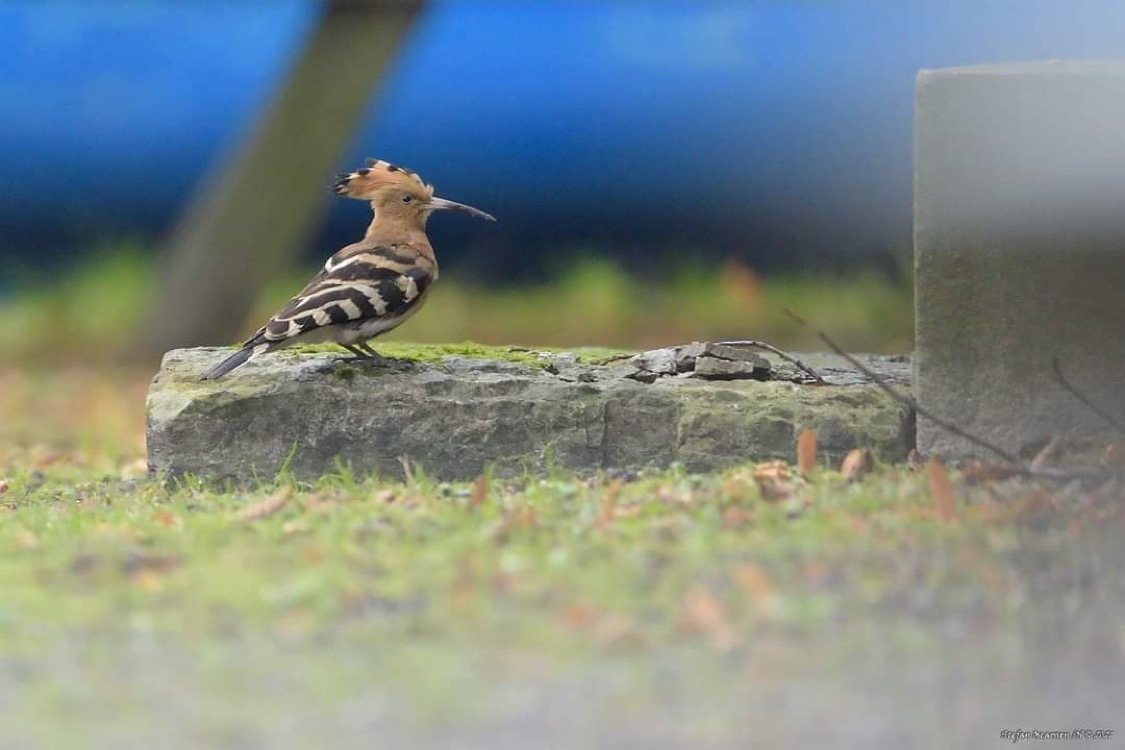
Birdwatchers rejoice! A rare and incredible hoopoe bird was spotted right here at Royal Djurgården, which gave us at least something to feel positive about at the start of 2021!
Hoopoes are colourful birds found across Europe, Africa and Asia, renowned for their distinctive feather ‘crown’.
They aren’t usually found around here, though, with birdwatchers including Thomas Strid struggling to recall the last time a hoopoe was seen in Stockholm in the winter, let alone here at Royal Djurgården!
He also says that there’s a chance we’ll spot one at Djurgården in the future, as they are likely drawn to Djurgården’s oak woodlands and open fields.
This hoopoe was spotted outside the Police Museum, and we hope it comes to visit us again.
The winners of White Guide’s ‘100% Cirkulärt’ 20/21 prize have been announced – and two of them are here at Royal Djurgården!
Oaxen Krog & Slip were the winners in the Innovation category for their ‘Nationwide recycling of wine corks’ project, while Rosendal’s Garden were awarded the prize for their large-scale project, ‘Experiment 2000 m2’.
Over 30 ideas from the whole of Sweden were nominated for this year’s prize, and now Oaxen Krog & Slip and Rosendal’s Garden will receive financial support to develop their projects in 2021. The aim of the projects is to contribute to the transition towards a circular economy and ultimately a more sustainable food system.
On Friday 27th November at 3pm, Skansen is closing its doors for the first time in 129 years. Skansen’s Christmas celebrations are also cancelled this year.
If you’d like to support Skansen while they’re closed then you can buy an annual pass here. Plus, it’s something to look forward to once they open again!
Or if you’d like to spread some Skansen joy, why not buy one or several gift cards? You can also still visit Skansen’s online shop, where you’ll find classic Swedish handicrafts as well as ‘Skansen Recrafted’, Skansen’s own collection made from old textiles, zips and buttons.
At the moment Junibacken, Prince Eugen’s Waldemarsudde, Rosendal’s Garden, the Museum of Spirits and the Thiel Gallery are open. Djurgården itself is always open for a walk too, of course! And don’t worry about going hungry; many of Djurgården’s restaurants are open and have takeaway options/outdoor seating!
This summer Royal Djurgården hosted a fantastic exhibition organised by the Princess Estelle Cultural Foundation, which featured six sculptures by the American artist Alice Aycock. And now one of the sculptures will be a permanent feature here at Royal Djurgården! The sculpture ‘Hoop-La’ will be the first sculpture in a permanent sculpture park here at Royal Djurgården.
“The Governors of the Royal Palace and the Royal Djurgården administration have a long-term plan for the development of the entire Rosendal parkland. This multi-year plan was launched with the inauguration of the Bernadotte Promenade in 2018 and the Folke Bernadotte bridge in 2019. We believe that sculptures will be congenial with the continued development of the parkland”, says the Governor of the Royal Palaces, Staffan Larsson.
This summer’s temporary outdoor exhibition was seen by many of Djurgården’s millions of visitors. The exhibition was Alice Aycock’s first solo exhibition in Scandinavia and the first exhibition organised by the Foundation.
The sculpture is located next to the Folke Bernadotte bridge.
Thank you to the Princess Estelle Cultural Foundation, who through this exhibition have helped to offer even more large, green, beautiful and open spaces to visit at Royal Djurgården.
We use cookies on our website to give you the most relevant experience by remembering your preferences and repeat visits. By clicking “Accept”, you consent to the use of ALL the cookies.
This website uses cookies to improve your experience while you navigate through the website. Out of these, the cookies that are categorized as necessary are stored on your browser as they are essential for the working of basic functionalities of the website. We also use third-party cookies that help us analyze and understand how you use this website. These cookies will be stored in your browser only with your consent. You also have the option to opt-out of these cookies. But opting out of some of these cookies may affect your browsing experience.




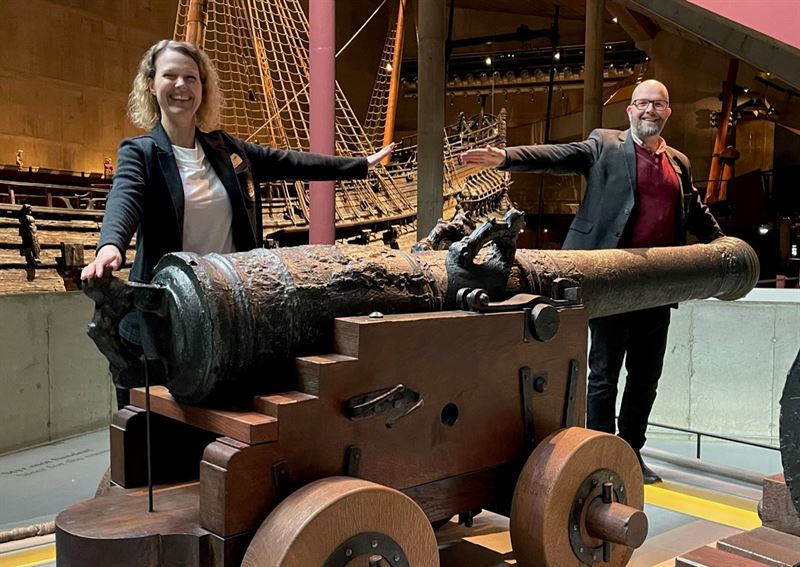


 The exhibition highlights how climate change is affecting the Arctic and its nature, people and animals. Visitors have the opportunity to make a climate pledge (13.3)



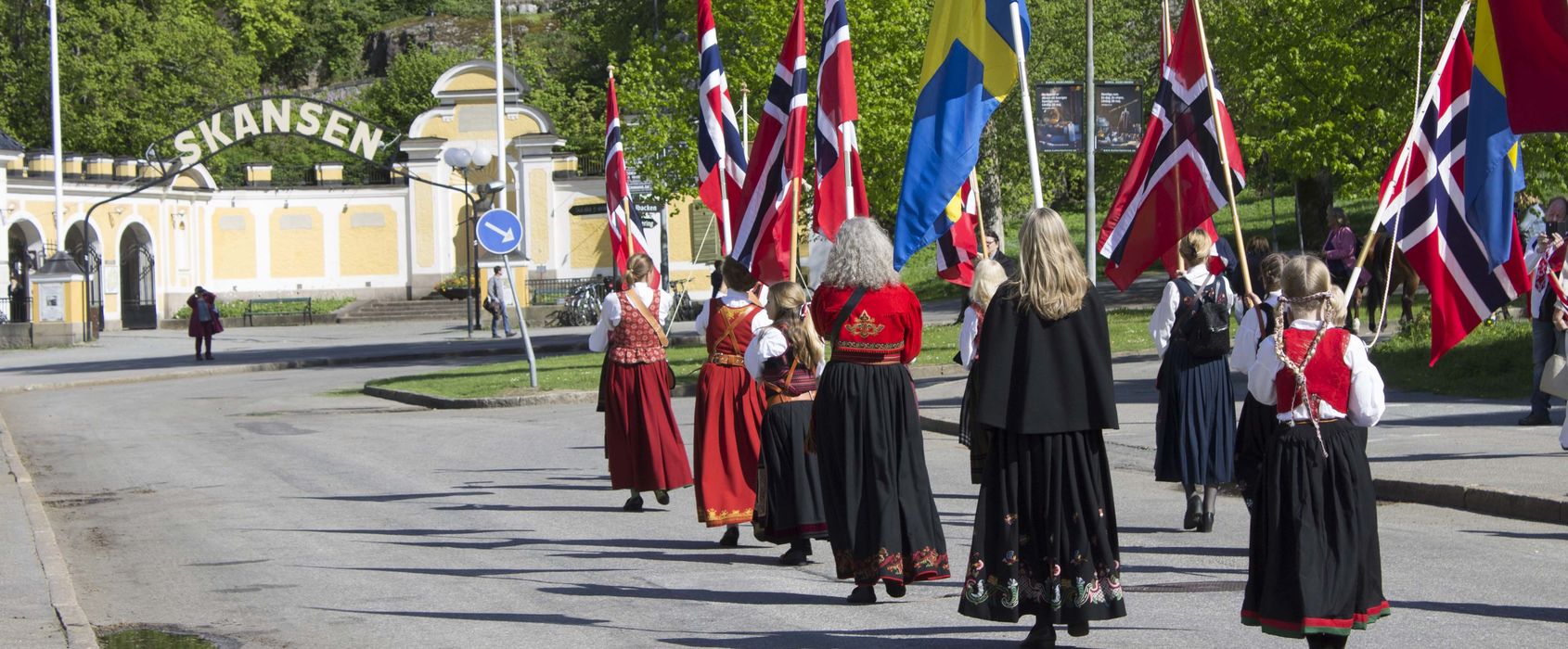
 Skansen’s various National Day celebrations promote social inclusion (10.2)


 2000m2 educates people in sustainable food production and consumption (12.1,2,8)
 2000m2 aims to protect ecosystems and promote biodiversity (15.5)
 2000m2 is a collaboration between a number of different parties across a variety of industries (17.17)